
Why I Print My Photographs on Fotospeed Platinum Baryta 300
For me, taking the photograph is only part of the process. I shoot predominantly on film, and I’ve always liked the physical side of photography — loading the camera, developing and scanning the negatives, and eventually seeing an image exist as a proper print rather than simply on a screen.
When I started producing limited edition prints of my work, choosing the right paper became much more important than I had expected. I wanted something that suited the character of film and, particularly, the black and white photographs I make on my old Rolleiflex.
After trying different papers, I settled on Fotospeed Platinum Baryta 300.
The photograph as an object
There is something very different about holding a photograph compared with looking at the same image on a phone.
A screen is bright, temporary and constantly competing for your attention. A print is quieter. You can look at it properly.
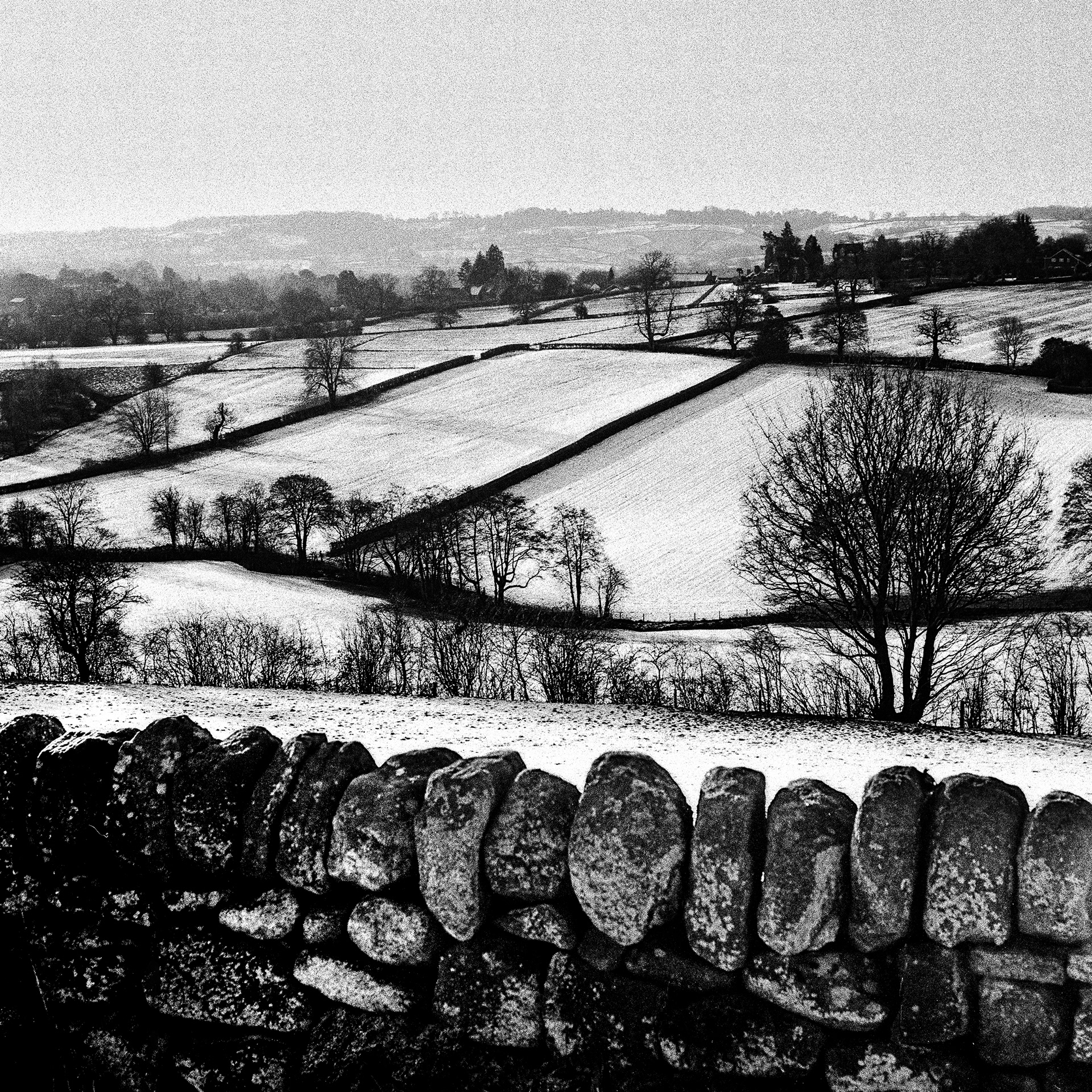
That feels particularly appropriate for the photographs I make. Much of my work is about landscape, atmosphere, changing light and ordinary places that I find interesting. I’m not necessarily looking for spectacular views. Quite often it is a path through woodland, winter light, mist or a small detail in a familiar landscape that makes me stop and take a photograph.
Film already introduces a physical element to that process, so it seemed important that the final print retained some of that character.
Why Platinum Baryta 300?
What I like about Platinum Baryta is that it doesn't feel overly glossy or obviously digital. It has a surface that gives the image depth while still allowing the texture and grain of the film to remain part of the photograph.
This is particularly important with my black and white work. I like photographs with good blacks, subtle greys and plenty of detail in the quieter areas of the image. The paper seems to suit that very well.
At 300gsm it also has a reassuring weight to it. That might sound like a small detail, but once you are asking somebody to buy a photograph as a limited edition print, the physical quality of what they receive matters.
I want picking up the print for the first time to feel special.
There is also something I enjoy about taking a photograph made with a camera such as my 1938 Rolleiflex and completing the process with a carefully produced physical print. The equipment may have changed enormously since that camera was made, but ultimately the photograph still ends up as something you can hold in your hands.
Keeping the presentation simple
I print my limited edition photographs with a generous border around the image. Partly this gives the photograph some space, but it also leaves room for me to sign and number each print without interfering with the image itself.
My current limited editions are produced in editions of 25, with each print individually signed and numbered.
I also provide a certificate with the print.
I've deliberately tried to keep the presentation restrained. I don't want elaborate packaging or unnecessary additions to distract from the photograph. The quality should be apparent in the image, the paper and the way the print has been finished.
The same thinking applies when a print is framed. Good materials and conservation framing matter because I want these photographs to be something somebody can live with for many years, rather than simply another image that briefly appears on a screen.
From film to finished print
One of the reasons I returned seriously to film photography was because I enjoy the process.
There are easier and faster ways of making photographs. With film I don't immediately know exactly what I have. There is a delay between pressing the shutter and eventually seeing the negative, and another stage again when deciding whether an image deserves to become a print.
I actually like that.
Not every photograph needs to be printed. But when an image does work, seeing it properly printed on Baryta paper feels like the point at which the process is finally complete.
Instagram and a website are useful ways of showing photographs, but for me they aren't the finished object.
The print is.